Source Water Purification Manganese Sand for Filtration
Compare 24 listings for water purification manganese sand used in sewage treatment, iron removal, and environmental protection. Specifications include particle sizes from 0-1mm to 16-32mm, with MnO2 content ranging from 25% to 65% and bulk densities between 2.0 and 3.6 g/cm3.
Key considerations
Products List


Comprehensive Sourcing Guide
Water Purification Manganese Sand Sourcing Guide
Product Scope and Observed Listing Signals
The market for water purification manganese sand presents a diverse array of listings, primarily originating from China, with a notable count of twenty-four distinct product entries available to buyers. These listings frequently describe the material using various aliases such as green sand, manganese greensand, or simply manganese sand, which can create initial confusion during the sourcing process. Buyers must carefully distinguish between products labeled as magnesium oxide and those explicitly identified as manganese sand, as the latter is the standard media for iron and manganese removal in water treatment systems. The observed price range spans from thirty to five hundred eighty US dollars, reflecting significant variations in quality, packaging, and supplier positioning.
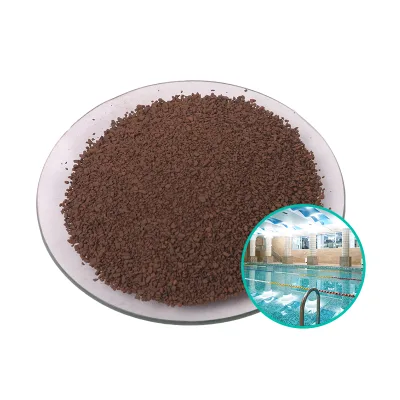
Visual and physical attributes described in these listings often include black or brown granules with specific size distributions, such as 0-1mm, 1-3mm, or 3-5mm, catering to different filtration bed requirements. Some suppliers highlight a filling density of approximately 0.98g/cm3 and a relative density of 3.6g/cm3, while others report bulk densities ranging from 2.0 to 3.6g/cm3. These discrepancies in reported physical properties suggest that buyers should not assume uniformity across all listings. Instead, procurement teams must treat these attributes as observations that require direct verification with the supplier to ensure the material matches the specific hydraulic and filtration needs of their water purification infrastructure.
Technical Specifications to Verify
Technical verification begins with confirming the chemical composition, particularly the manganese dioxide (MnO2) content, which is critical for the oxidation and filtration process. Listings indicate MnO2 levels ranging from 35% to 46%, while other entries specify total manganese (Mn) content between 25% and 45%. Buyers must request detailed assay certificates to confirm that the active manganese content meets the minimum thresholds required for effective iron and manganese removal. Additionally, the presence of impurities such as iron oxide (Fe2O3) and silica (SiO2) should be quantified, as excessive levels can reduce the efficiency of the filtration media and shorten its operational lifespan.
Particle size distribution and physical hardness are equally important technical parameters that influence flow rate and pressure drop within the filtration unit. Suppliers offer various size grades, including 0.4-0.6mm, 1-2mm, 2-4mm, and larger granules up to 16-32mm, allowing for customization based on the specific design of the water treatment plant. The hardness of the media, often cited around 98, indicates resistance to attrition and breakage during backwashing cycles. Buyers should verify the moisture content, which is typically listed as less than 5% or specifically at 3%, to ensure the material is dry and ready for immediate installation without introducing unwanted water volume into the system.
Compliance and Safety Documentation
Documentation requirements for water purification media are stringent, particularly when the treated water is intended for human consumption or industrial reuse. Buyers should prioritize suppliers who can provide proof of food-grade standards, as indicated by some listings, to ensure the material does not leach harmful substances into the purified water. It is essential to verify that the manganese sand is classified as a no-salt oxide or acidic oxide, depending on the specific chemical balance required by the water treatment process. This classification helps in predicting how the media will interact with the water chemistry and whether additional pH adjustment will be necessary during operation.
Safety data sheets (SDS) and material safety documentation must be reviewed to understand the handling requirements for the granular media. Although manganese sand is generally stable, proper documentation ensures that workers are aware of any potential dust hazards or handling precautions. Buyers should also confirm that the supplier adheres to recognized production standards, even if specific certification names are not explicitly listed in the initial product description. Requesting third-party test reports that validate the purity and safety of the media can provide an additional layer of assurance, protecting the buyer from liability and ensuring the long-term safety of the water purification system.
Cost Drivers and Commercial Terms
The cost of manganese sand is influenced by several factors, including the purity of the manganese content, the granularity of the product, and the packaging method. Listings show a wide price range, suggesting that higher purity grades or specialized size distributions command premium prices. Packaging options typically include 25kg bags or 500kg bags, with some suppliers offering customization according to buyer requests. Bulk purchasing often leads to better unit economics, but buyers must balance cost savings with storage capacity and handling logistics at the destination site. Understanding these cost drivers helps in creating a more accurate budget and comparing quotes on an apples-to-apples basis.
Commercial terms and payment methods are also key components of the procurement strategy. Most suppliers accept payment by T/T (Telegraphic Transfer), which is a standard and secure method for international trade. Buyers should clarify the minimum order quantity (MOQ), which ranges from 1 to 20 units depending on the supplier, to determine the feasibility of trial orders versus large-scale contracts. Additionally, the availability of free samples is a valuable commercial term that allows buyers to test the product quality before committing to a larger purchase. Negotiating clear terms regarding shipping, insurance, and delivery timelines can further optimize the total cost of ownership.
Supplier Qualification and Quality Control
Evaluating supplier qualifications is crucial for ensuring a reliable supply chain for water purification materials. Buyers should look for suppliers with a established history, such as those citing six years of factory experience, as this often correlates with consistent production capabilities and quality control processes. It is important to verify the supplier’s ability to provide customization, as water treatment needs can vary significantly between different facilities. Suppliers who offer flexible packaging and size options demonstrate a customer-centric approach that can adapt to specific project requirements, reducing the risk of receiving unsuitable materials.
Quality control measures should be a central part of the supplier evaluation process. Buyers should inquire about the supplier’s internal testing protocols for parameters such as ash content, moisture levels, and chemical composition. Some listings mention an ash content of 2.5% to 10%, which indicates variability in refining processes. Buyers should request samples to perform their own preliminary tests or engage third-party laboratories for verification. Establishing a clear quality agreement that defines acceptable tolerances for all key specifications can prevent disputes and ensure that the delivered product meets the required performance standards for water purification applications.
Long-Term Procurement Checks
Long-term procurement success depends on establishing a robust relationship with suppliers who can maintain consistent quality over time. Buyers should implement regular quality audits and periodic re-testing of the manganese sand to ensure that the product continues to meet the specified chemical and physical standards. Monitoring the performance of the filtration media in actual operation, such as tracking breakthrough points for iron and manganese, can provide valuable feedback on the quality of the supply. This data-driven approach allows for proactive adjustments to the procurement strategy and helps in identifying any potential issues before they impact water quality.
Continuous communication with suppliers regarding market trends, supply chain stability, and potential changes in production processes is also essential. Buyers should stay informed about any updates in industry standards or regulations that may affect the use of manganese sand in water purification. By maintaining a flexible and informed procurement strategy, buyers can mitigate risks associated with supply disruptions or quality variations. Regularly reviewing supplier performance against key metrics, such as delivery times, product consistency, and responsiveness, ensures that the sourcing partnership remains effective and supports the long-term goals of the water treatment facility.
FAQs
What is the MnO2 content range for this manganese sand?
The manganese sand contains 35-46% MnO2. This composition supports effective iron removal in sewage treatment. The material is classified as a special class acidic oxide. It features a black or brown granule structure. Moisture levels remain below 5% for stability. This grade ensures reliable performance in water purification applications.
Can I request custom packaging for bulk orders?
Custom packaging is available for your specific needs. Options include 25kg bags or 500kg bags. You can specify the exact requirements for your logistics. The factory has six years of production history. This flexibility supports efficient handling and storage. Contact the supplier to arrange your preferred packing method.
What particle sizes are available for this filter media?
Available sizes include 0-1, 1-3, and 3-5mm. Other options range up to 16-32mm. These specifications suit various filtration system designs. The material has a relative density of 3.6g/cm3. Porosity ranges from 40-50% for optimal flow. Select the size that matches your equipment requirements.
How does this sand remove iron from water?
It acts as a manganese sand filter for iron removal. The material is used for sewage treatment purposes. Its structure facilitates efficient filtration of contaminants. The black or brown granules provide a large surface area. This process purifies water by trapping iron particles. It is a proven method for environmental protection applications.
What payment terms are accepted for these orders?
Payment is accepted via T/T or by T/T. This standard term ensures secure transactions for buyers. The product originates from China with established trade practices. Samples are available for free upon request. This method supports both small and bulk purchases. Confirm details with the supplier before finalizing your order.
Is this product suitable for food grade applications?
Yes, the product meets food grade standards. It is classified as a special class material. The manganese sand is used for water purification. Its properties include low moisture and specific density. This grade ensures safety for relevant industrial uses. Verify specific application requirements with the manufacturer for compliance.